Police in South Tyneside have strengthened their efforts to dismantle illicit cannabis farms, as seen in a recent raid that led to the arrest and conviction of two young men operating an illegal drug cultivation site in Jarrow. The incident, which unfolded in July at a residential property, exposes not only the scale and risks of local drug production but also the firm stance taken by UK authorities against unauthorised cannabis cultivation.
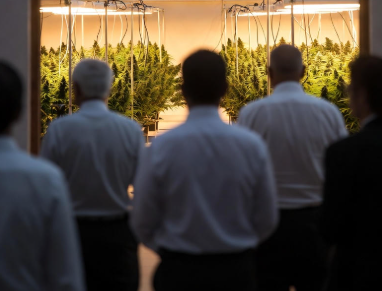
When law enforcement officers entered the address following intelligence about possible criminal activity, they found a sophisticated operation involving 100 cannabis plants distributed across several rooms in the house. According to details provided during a hearing at Newcastle Crown Court, the two men—Rremzi Ferati, 23, and Endri Rexha, 20—were involved in tending and overseeing the crop, operating without any legal authorisation or oversight. Both individuals were found inside the property, with one attempting to escape through a bathroom window before being apprehended by police, and the other discovered in the kitchen, apparently undisturbed at the time of the arrest.
Legal Context: Regulatory Framework in the UK
Cannabis remains classified as a Class B controlled substance in the UK, regulated primarily by the Misuse of Drugs Act 1971. Under Section 6 of the Act, it is a criminal offence to cultivate any cannabis plant without a special licence granted by the Home Office, a permit typically restricted to organisations performing pharmaceutical or scientific research under strict protocol. Home cultivation for medical or recreational use is strictly prohibited, and penalties for unauthorised production can range from fines to custodial sentences of up to 14 years, influenced by the nature, scale, and circumstances of the offence.
The escalation of police initiatives targeting cannabis factories reflects concerns about community harm and wider criminal networks. Recent regional operations, such as the multi-force “Operation Scorpion,” have successfully identified and dismantled organised crime groups involved in the supply and cultivation of controlled drugs, including cannabis. Officers rely on intelligence from the public to detect suspicious activities, such as the presence of strong odours, extensive electrical modifications, and the movement of specialised equipment—common markers of illicit drug production.
The Arrest and Sentencing: A Chronological Account
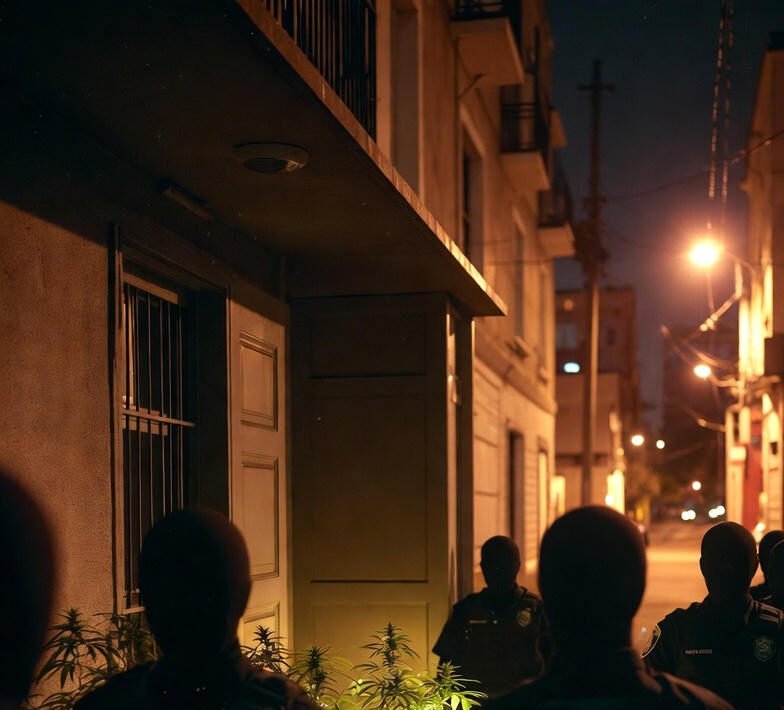
On July 9, authorities arrived at the Jarrow address after reports suggested its use as a cannabis growing facility. Upon entry, officers located Mr Rexha lying on a bed in the kitchen and Mr Ferati upstairs, where he attempted to evade capture by leaping from a bathroom window. Despite his effort to escape, he was quickly detained by police.
The investigation determined that the operation spanned three bedrooms and the living room, all set up for plant cultivation. Both individuals admitted their involvement in producing cannabis, with the court confirming their illegal status in the country at the time of arrest. Sentencing took into account not only the gravity of the offence but also broader concerns about illegal immigration. Ferati received a custodial sentence of 36 weeks, while Rexha was sentenced to 30 weeks, accounting for time already served in detention before trial.
The presiding judge, Recorder Tom Moran, addressed both men during sentencing, noting potential release depending on decisions from immigration authorities. This highlights an intersection of drug enforcement and immigration policy, reflecting the additional complexities when offenders are unlawfully present in the UK.
Broader Community Impact and Law Enforcement Strategy
Cannabis farms are often located in residential neighborhoods, creating considerable risks for local residents. Apart from the obvious legal violations, such operations pose fire hazards due to tampered electrical systems, disrupt utilities, and may expose vulnerable individuals to exploitation by criminal groups. Senior police officials in the region have emphasised the importance of collaborative efforts and public vigilance. Detective Superintendent Alex Doughty, speaking about regional efforts, stated that a robust law enforcement response, coupled with community engagement, is essential in disrupting organised crime and safeguarding neighborhoods.
Data from recent raids underscore the extent of illicit drug cultivation in the UK. For example, a single operation in Torquay, part of Operation Scorpion, led to the recovery of over 400 cannabis plants with an estimated street value of hundreds of thousands of pounds. Similar actions across South Tyneside have uncovered large-scale farms valued at up to £350,000, reinforcing the lucrative nature of the criminal enterprise.
Expert Opinions: The Challenge of Combating Cannabis Cultivation
Experts in criminal justice and public policy note that while the UK maintains some of the strictest cannabis laws in Europe, enforcement continues to face challenges posed by sophisticated criminal tactics. Senior policy analysts highlight that the existence of underground farms often signals broader networks, potentially involving trafficking, exploitation, and money laundering. “Targeting these operations requires not just police intervention but a coordinated approach involving immigration services, housing authorities, and community outreach,” says a senior criminal policy advisor.
Clinical psychologists have documented risks inherent to individuals involved in illicit cultivation, noting patterns of coercion and vulnerability among those lured into such operations. Many small-scale cultivators are migrants or people facing social and economic marginalisation, exploited by criminal organisations seeking profit.
Immigration and Sentencing Considerations
The case in Jarrow brought immigration status to the fore. Unlawful presence in the UK compounded the severity of the offence, as visa violations may influence sentencing and post-release outcomes, including potential deportation. Legal experts reiterate that immigration enforcement often operates in tandem with drug policing, a strategy that aims to deter both illegal entry and criminal activity.
While the trial concluded with prescribed jail terms, the future status of the two defendants will depend on the actions of immigration authorities, whose response may involve detention or removal following custodial release. Current policy dictates that individuals convicted of serious offences and found unlawfully present in the UK are often prioritised for removal as part of broader national security measures.
Public Reporting and Prevention Efforts
Law enforcement relies on community intelligence to thwart criminal activity and protect vulnerable individuals. Police encourage residents to report suspicious activity, such as unexplained property modifications, strong odors, frequent visits at odd hours, and modifications to utility meters. Proactive public participation can dramatically improve the success rate of police interventions, leading to safer communities and faster disruption of criminal networks.
Housing associations and local councils have become integral partners in preventive action by monitoring suspicious tenancies and collaborating with authorities to address covert estate misuse. This integrated approach is credited with closing significant gaps in regional enforcement, further amplifying deterrence efforts.
E-E-A-T Assessment: Regulating Cannabis in the UK
The UK’s position on cannabis remains one of regulation and prohibition, shaped by concerns around health, crime, and community safety. According to legal analysts at Fosters Solicitors, there are no current legal provisions for home cultivation or unsupervised medical use. Prescribed medical cannabis is available only through authorised providers and under strict regulatory controls.
Authorities are increasingly alert to technological developments and shifting political opinion, acknowledging international trends such as legalisation in certain US states and Germany. For now, prohibition remains the norm, with lawmakers periodically re-examining policy in light of new evidence and public pressure. This ongoing debate is unlikely to lead to major reform in the short term, leaving enforcement as the focal point for managing risks associated with illicit cultivation.
Conclusion: A Cautionary Tale of Enforcement
The case of Rremzi Ferati and Endri Rexha in Jarrow serves as a microcosm of wider law enforcement priorities in the UK. With cannabis farms remaining a target for police raids and judicial consequences, individuals who engage in unauthorised production—whether out of desperation or deliberate criminal intent—face serious legal risk, social harm, and potential expulsion from the country. Community vigilance and expert-led strategies remain pivotal to the ongoing effort against organised drug crime, which continues to adapt and challenge authorities despite strict regulation and sentencing.
Cases like this exemplify both the human and legal dimensions of the UK’s drug enforcement policy, providing a sobering reminder of the interplay between law, community protection, and the day-to-day realities of criminal activity in residential neighborhoods.